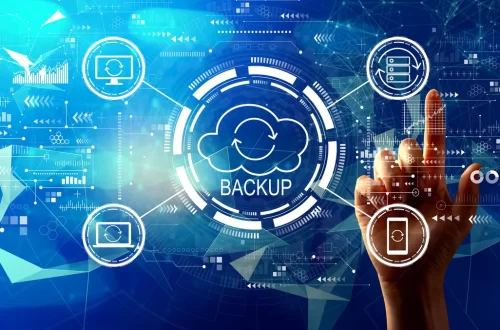

Reliable data protection supports stability across growing systems and daily operations. Many teams compare modern platforms with older backup routines to judge safety, speed, and control. Veeam appears early in such discussions because it focuses on recovery accuracy, automation, and flexible storage handling. This comparison explains practical differences clearly and helps decision makers select an approach that fits growth planning security needs and ongoing workload demands without complexity.
Data Protection Approach
Modern backup platforms rely on image-based capture and frequent snapshots to protect entire systems at once. Traditional backups often depend on file-level copying that runs on schedules. This difference changes how quickly information returns after loss and how much manual effort remains.
Recovery Speed
Quick restoration defines system reliability during outages. Advanced platforms restore full environments within minutes through instant recovery features. Older backups usually rebuild data piece by piece, which extends downtime and disrupts daily operations across connected teams and services.
Automation Capabilities
Automation reduces human effort and error. Modern solutions manage backup schedules, verification alerts, and cleanups automatically. Traditional approaches often require manual monitoring and scripted tasks, which demand more staff attention and increase the chances of missed protection windows.

Storage Efficiency
Effectual storage lowers long-term costs. Advanced tools use compression, deduplication, and incremental updates to lessen space usage. Older backups often store repeated copies of similar data, which increases storage growth and hardware spending over time.
Scalability Options
Growing systems need flexible expansion. Modern platforms scale smoothly as workloads increase without major redesign. Traditional backups may struggle when data volumes rise, leading to slower performance and complex upgrades that interrupt operations.
Security Controls
Data safety includes protection against unwanted changes. Modern platforms include encryption, access controls, and immutability options. Traditional backups depend heavily on external safeguards, which can leave gaps if not maintained carefully.
Monitoring and Reporting
Clear visibility improves trust. Modern platforms provide dashboards, alerts, and detailed reports for backup status. Traditional backups often rely on logs or manual checks, which delay issue discovery and resolution efforts.
Deployment Simplicity
Ease of setup affects adoption speed. Advanced solutions install quickly with guided workflows. Traditional backups can involve complex configurations, multiple scripts, and longer setup periods that slow protection readiness.
Clear choices shape system resilience and budget control. Evaluating recovery speed, automation, security, and growth readiness shows how modern platforms outperform older routines. Organizations seeking dependable protection should adopt solutions aligned with future demands while reducing manual load. Selecting Veeam offers a balanced route that strengthens recovery confidence, supports expansion, and simplifies oversight without unnecessary complexity.